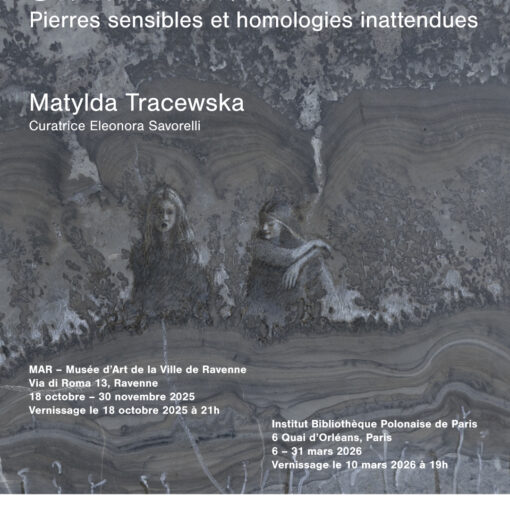
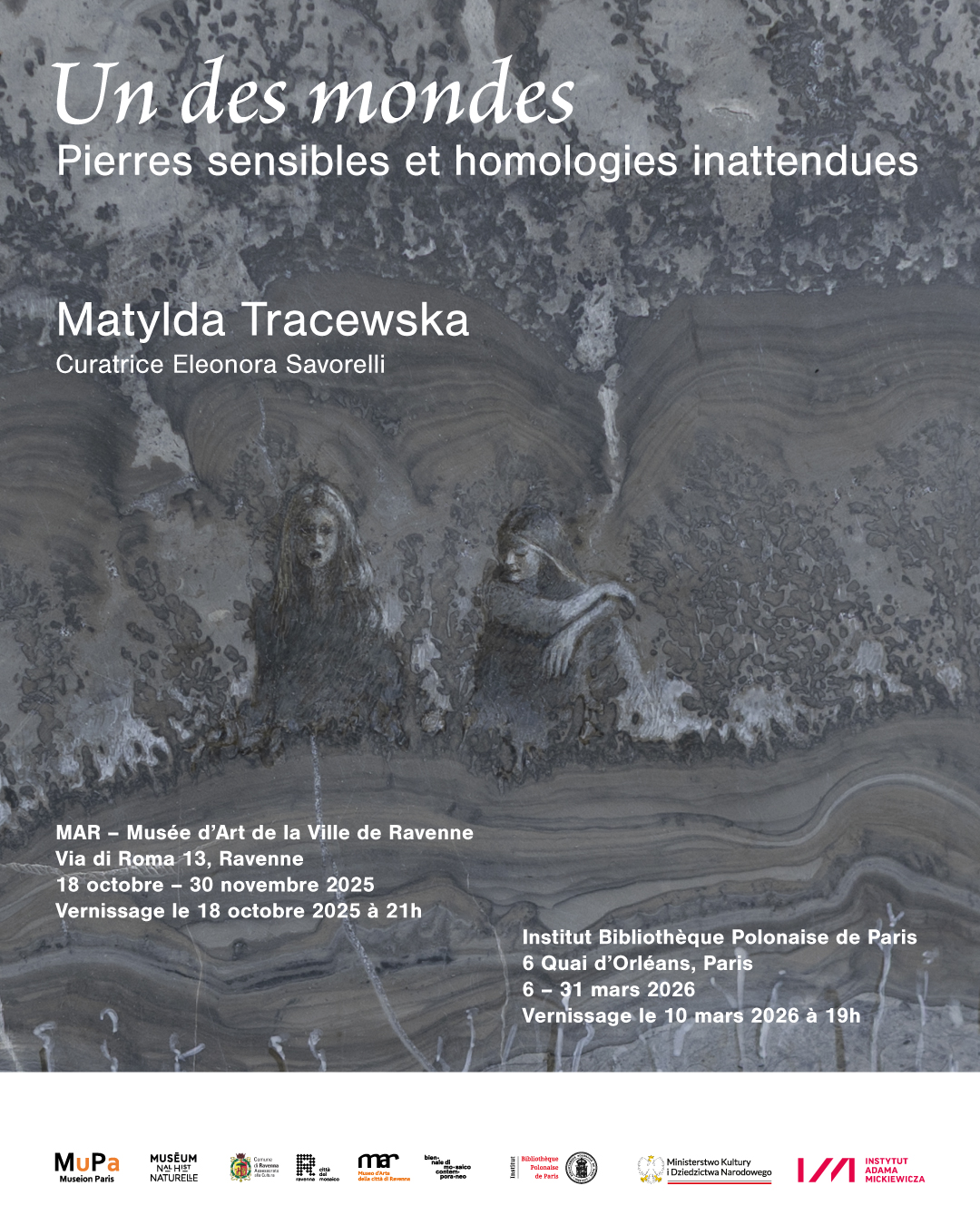
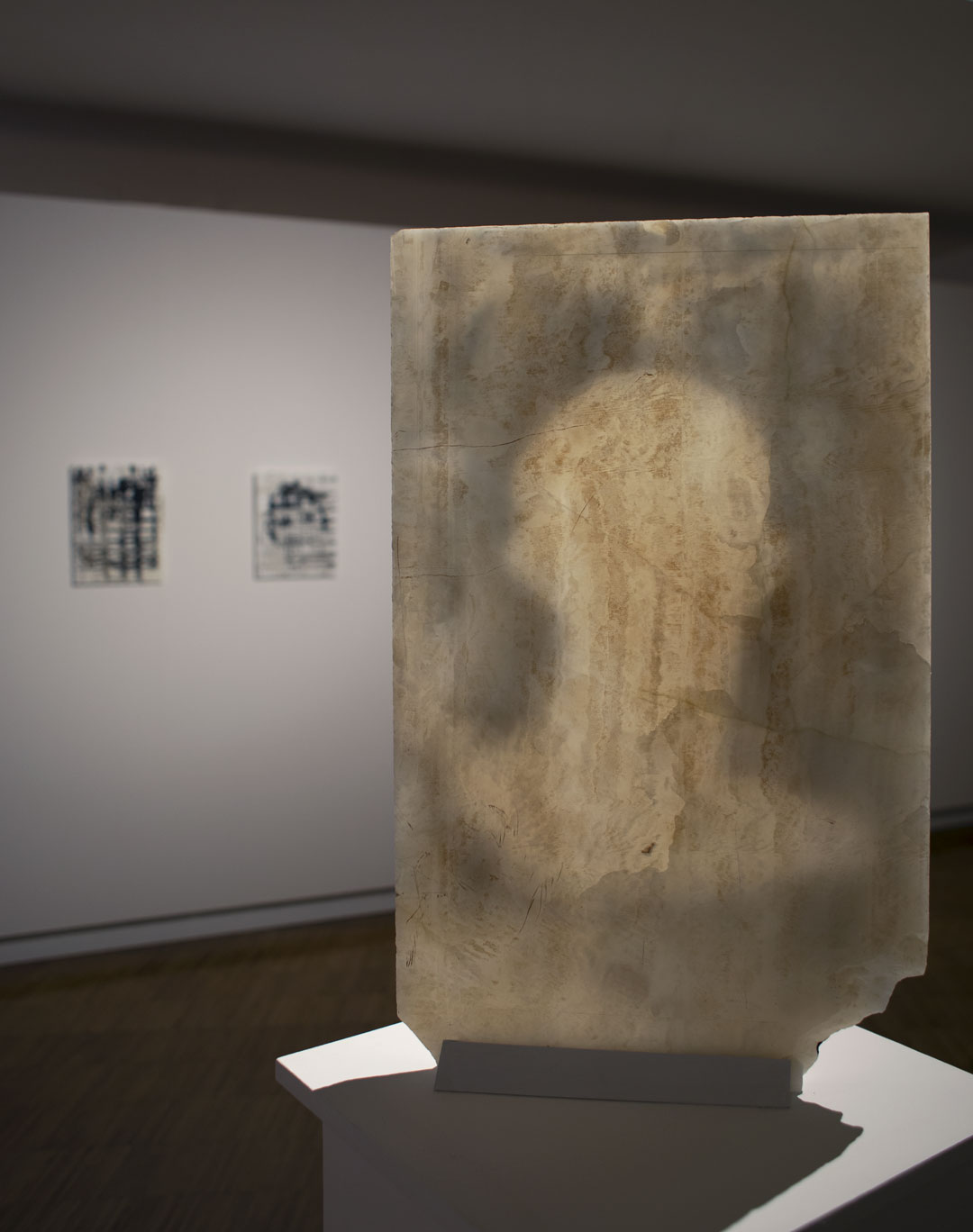
« Un des mondes. Pierres sensibles et homologies inattendues » est le titre de l’exposition de restitution de la résidence, organisée par MuPa, de l’artiste polonaise Matylda Tracewska. Construite en collaboration avec le Muséum national d’Histoire naturelle de Paris, cette résidence a été accompagnée par la curatrice italienne Eleonora Savorelli qui a […]
museionparis.com
4 posts
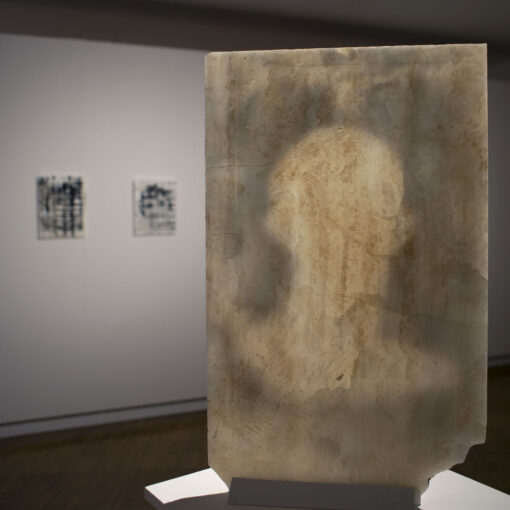
The MuPa Association is honored to collaborate with the Museo Lercaro on the exhibition “Echoes of Faces”, which brings together works by Laurent Lafolie and Clément Mitéran as part of the 9th Contemporary Mosaic Biennale in Ravenna, Italy. MuPa, whose mission is to promote the work of contemporary artists experimenting […]
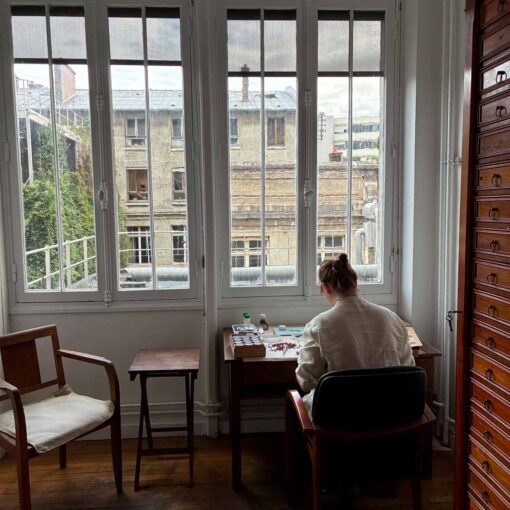
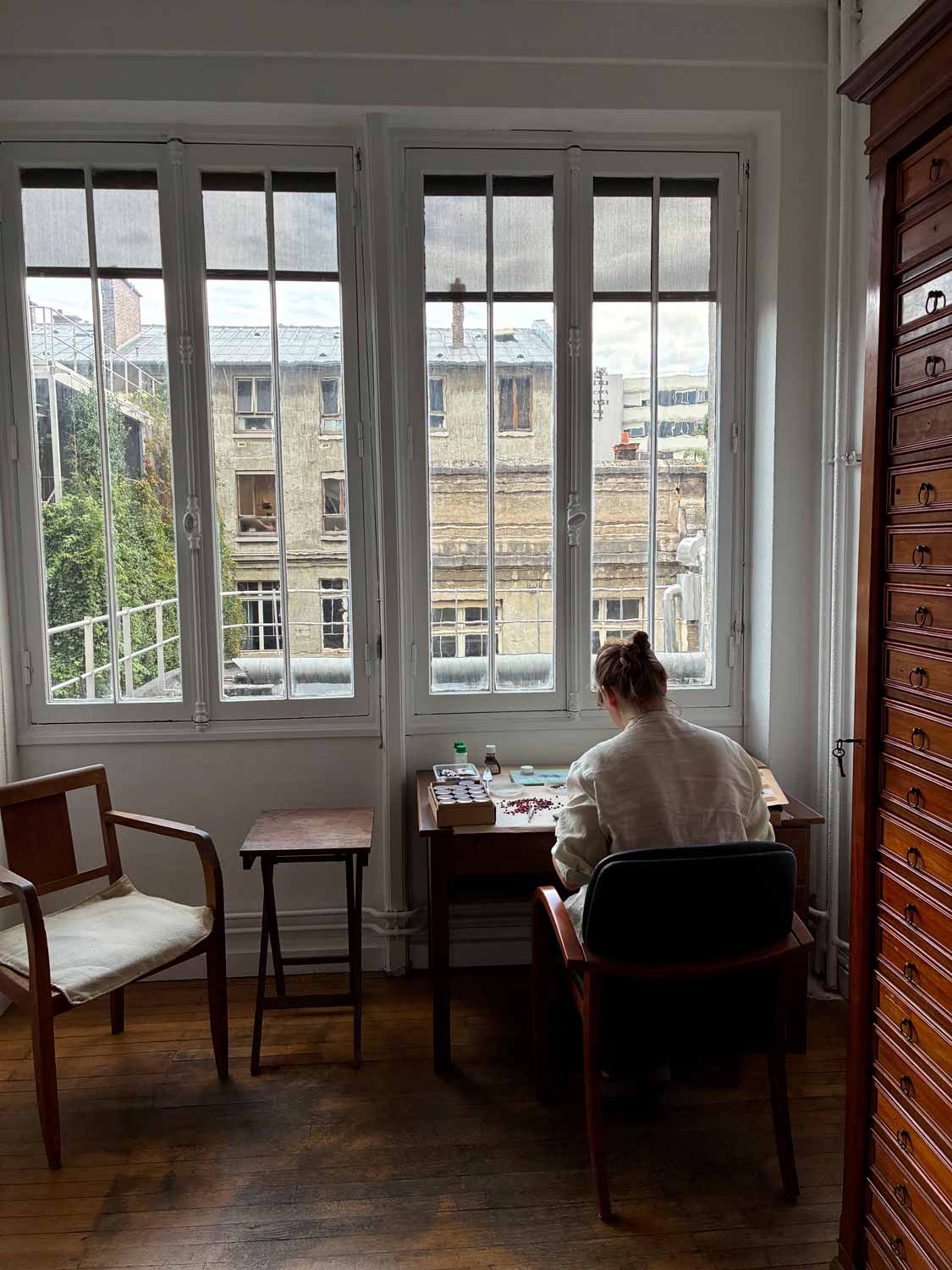
Matylda, your work lies at the confluence of various techniques: mosaic, mortar, painting… Many of these “mixed-media” approaches can be found among artists of your generation. We are particularly interested in these multidisciplinary approaches among artists who use mosaic as one of their means of expression. In your case, what […]
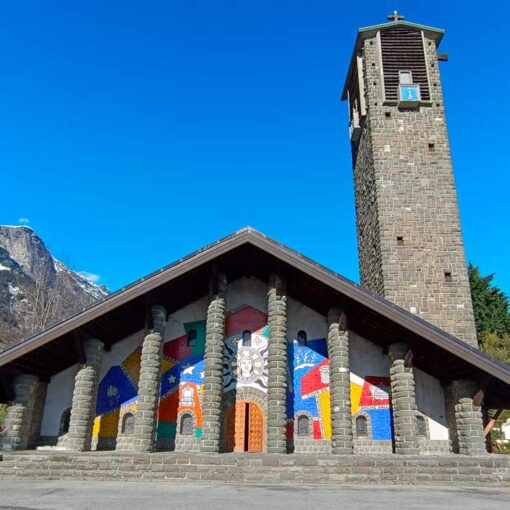
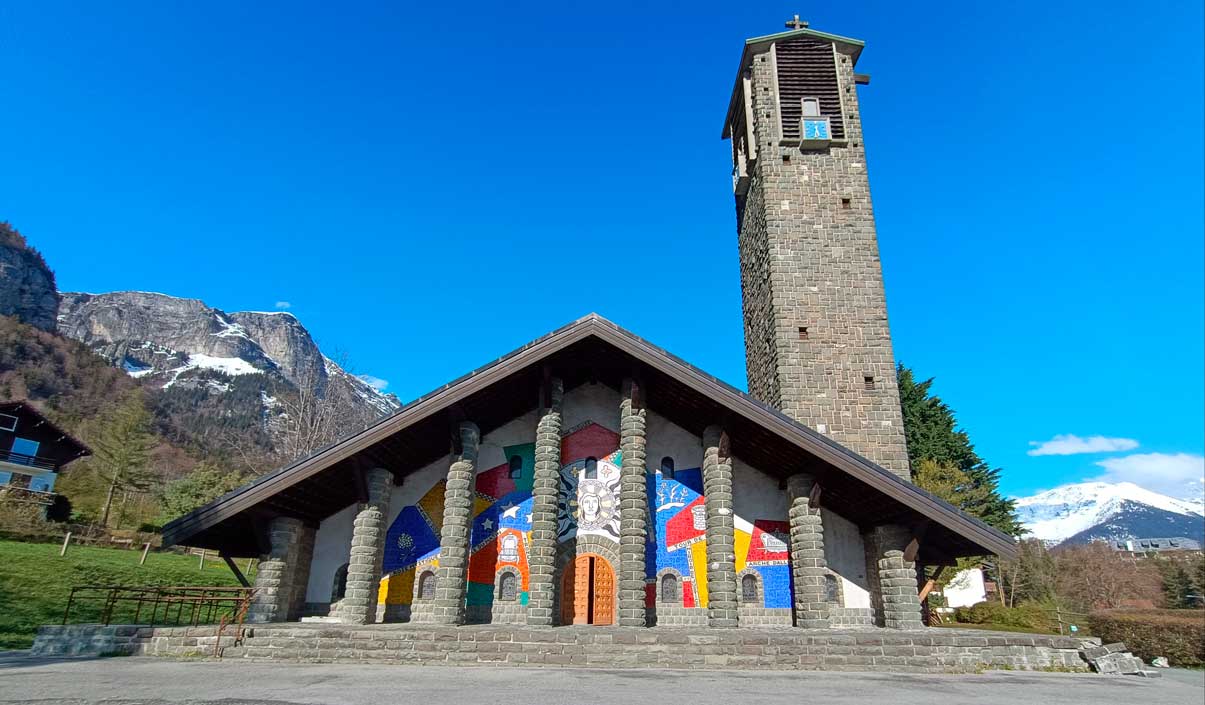
Mosaic art experienced a revival in the second half of the 19th century, following Gian Domenico Facchina’s invention of the indirect method of laying mosaics, developed for the mosaics of the Opéra Garnier. This technique significantly reduced production costs and encouraged a decorative use of mosaics, a trend that continued through the Art Nouveau and Art Deco periods.
It was only after the Second World War that artists began to embrace mosaic work—some directly, others by collaborating with specialist mosaic workshops to bring their projects to life. Fernand Léger was one of these artists. He sought to restore the monumentality of certain works through the medium of mosaic.